


Soft and quick Panettone: Step-by-Step recipe
- Dec 4, 2025
- 3 min read

Panettone is one of the most beloved symbols of Italian tradition. Born in Milan, it has become the undisputed star of festive tables worldwide. Its history traces back to the old Lombard bakeries, where a simple mixture of flour, butter, and eggs transformed into a tall, aromatic cake, rich in candied fruits. Its unmistakable scent of citrus, vanilla, and melted butter fills the house with warmth, instantly evoking the authentic Christmas atmosphere.
Making it at home is like stepping into an ancient ritual: a gesture full of anticipation, family, and sharing. It’s almost impossible to resist cutting a soft slice and enjoying it while still warm, letting its lightness captivate you.
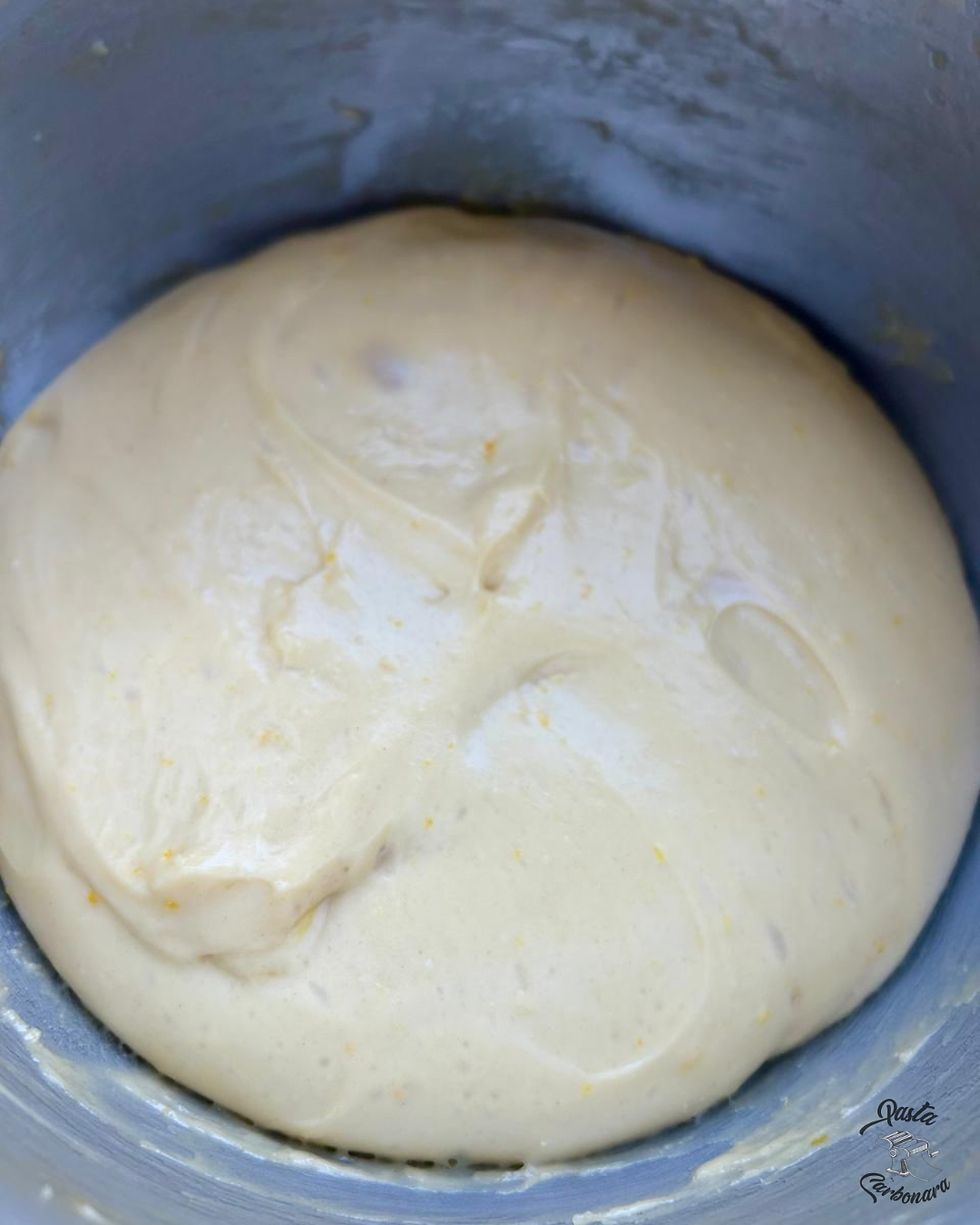
Panettone also appears in Pellegrino Artusi’s famous book Science in the Kitchen and the Art of Eating Well. Artusi presents a version called Panettone Marietta, dedicated to his housekeeper Marietta Sabatini. This simpler recipe, compared to the traditional Milanese panettone, is full of flavor and deeply connected to the culinary culture of the time. Including this historical detail adds charm to homemade panettone, linking it to one of the most important works in Italian gastronomy. Here’s my recipe for a soft and delicious panettone made without sourdough in just 6 hours… Happy Holidays!
🍽️ Serves: 500 g panettone / 11 cm diameter × 11 cm height mold
⏲️ Time: 6 hours
🧺 Ingredients:
For the pre-ferment (lievitino):
60 gr warm milk
12 gr fresh yeast
100 gr type 0 flour (or flour for panettone)
1 tsp honey
For the main dough:
200 gr type 0 flour (or flour for panettone)
75 gr sugar
1 egg
50 gr egg yolk
40 gr warm milk
8 gr fresh yeast
1 tsp honey
75 gr butter, at room temperature
100 gr candied fruits (orange and citron)
1 tsp vanilla extract
Zest of half an orange
Zest of half a lemon
🥣 Instructions: Pre-ferment (lievitino): 1. Prepare the milk mix
In a bowl, combine warm milk, crumbled yeast, and honey. Mix well until the yeast dissolves, cover with plastic wrap, and let rest for 20 minutes.
2. Add flour
Transfer the mixture to a stand mixer bowl and gradually add the flour. Knead until you form a soft ball.
3. Let it rise
Place the dough in a clean bowl, cover with plastic wrap and a cloth. Let rise for about 1.5 hours, or until doubled in size.
Main Dough
4. Prepare the second milk mix
In a bowl, combine warm milk, crumbled yeast, and honey. Mix well, cover with plastic wrap, and let rest for 20 minutes.
5. Combine pre-ferment with flour
Place the pre-ferment in the mixer bowl, add a little flour, and mix. Gradually add the rest of the flour until fully incorporated.
6. Add the second milk mix
Add the second milk mixture and knead. The dough should be sticky and begin to show gluten strands.
7. Add sugar and eggs
Add sugar and mix well. Then add the egg and yolks gradually, kneading until smooth and homogeneous.
8. Incorporate butter and flavors
Add softened butter, vanilla extract, and citrus zest. Knead for 7–8 minutes, increasing the mixer speed in the last 2 minutes, until the dough is elastic and smooth.
9. First dough rise
Cover the bowl with plastic wrap and let rise for 1.5 hours.
10. Perform strengthening folds
Perform the first fold, then repeat two more times, leaving 30 minutes of rest between each fold.
11. Shape in the mold
After the third fold, place the dough into a panettone paper mold. Cover with plastic wrap and a cloth and let rise for about 2 hours, or until it reaches the mold’s edges.
12. Bake the panettone
Bake in a preheated static oven at 180°C (356°F) for 40–45 minutes, on the lower rack.
💡Tips:
Choose the right flour: Use type 0 or panettone flour — strong flour supports butter, eggs, and long rises.
Always use warm milk: Milk should be warm, not hot. Cold milk slows yeast activity; hot milk kills the yeast.
Respect rising times: Let the dough double; rushing produces a dense, less fluffy panettone.
Cover the dough properly: Keep away from drafts; a warm spot in the kitchen is ideal.
Bring ingredients to room temperature: Butter, eggs, and yeast should not be cold.
Knead carefully: Start slow, then increase speed to develop a strong gluten network.
Bake gently: If your oven is strong, lower the temperature slightly for slow, even baking.


Comments